



Kevin Hoffmann
It happened when a speeding police car jumped a curb and hit Kevin Hoffmann — a police officer who was chasing a suspect on foot. Hoffmann bounced onto the windshield, shattering it. The crash resulted in a traumatic brain injury, a long-term hospital stay and a cloak of anxiety that has affected Hoffmann throughout the 28 years since that fateful day.
As Hoffmann describes it, the crash contributed to his anxiety. “When you’re a police officer in a high-crime area, you have to be hypervigilant 12 hours each day on the job just to stay alive,” he said.
The residual effects of the accident continued to build. Several months ago, an anxiety attack left him feeling partially paralyzed. He couldn’t drive, his balance was off and he needed assistance walking.
“The attack was triggered by a series of ongoing traumatic events that exacerbated my pre-existing PTSD from my line-of-duty injuries,” Hoffmann said. “But after being sent in an ambulance to the emergency room and spending an entire day undergoing tests to determine a diagnosis, the doctors were at a loss. They couldn’t find anything physically wrong with me.”
But Hoffmann knew it was related to the anxiety from his years of serving as a police officer. A healthcare worker referred Hoffmann to the outpatient behavioral health partial hospitalization program at Bon Secours Richmond Community Hospital, one of three locations within Bon Secours’ Richmond market that offer the program. In addition to the Richmond facility is a location at Bon Secours Southside Medical Center in Petersburg, as well as an adolescent clinic at Bon Secours St. Mary’s Hospital in Henrico.
The program, the only one of its kind in the East End and Petersburg areas, provides intensive outpatient care and serves as an important step between traditional outpatient care and hospitalized inpatient care. As May was Mental Health Awareness Month, it’s important to celebrate the difference these programs make in the lives of the people who need them and how they help to improve the overall mental health of the community.
Hoffmann said the intensive group therapy setting of the program is administered by an integrated team of physicians and clinical social workers.
“I love this program,” Hoffmann said. “I used all I learned daily and put it into practice in my daily life until I was able to regroup mentally and physically.”
Participants in the program meet from 9 a.m. to 2:45 p.m. Monday through Friday for two weeks. Throughout the day, the group learns about coping methods through art and scream therapy exercises, meditation, muscle refraction and group discussions. Guest speakers present their personal experiences that run the gamut from substance and alcohol issues to depression and anxiety.
“I never knew before that there were so many different types of behavior that could help me in such a positive way,” Hoffmann said. “This program was a game changer for me. And you couldn’t pick a more diversified group of individuals who all are experiencing debilitating behavior and mental health issues. That was a connecting point for all of us. We all realized that you don’t have to be a police officer or first responder to experience a life-changing event that results in PTSD.”
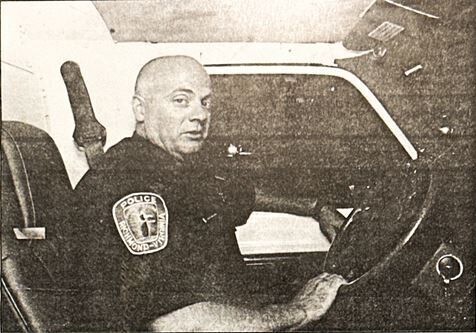
Hoffmann in his police squad car
“Kevin is a great example of someone who got so overwhelmed with everything life was throwing his way, and what he needed was a supportive environment where he could decompress and get actively involved in his healing process. And that goes for most of our patients as well,” said Leigh Shaffer, clinical social worker with the Bon Secours behavioral health partial hospitalization program. “We see a lot of people who have so many thoughts, feelings and experiences that they just don't know what to do with. Having a safe place to seek care where trained professionals can walk you through the process of finding a new balance can make a world of difference in understanding how to navigate the world.”
Counselors evaluate progress throughout the two-week period and determine whether additional sessions are necessary. Participants can miss no more than three days of any one two-week session, though they can opt out of the program at any time along the way.
Hoffmann, who spent seven weeks enrolled in the program at Richmond, feels incredibly blessed to have had the opportunity to learn more about his anxiety and how to cope with it.
Prior to becoming a police officer, Hoffmann, had received his bachelor’s degree in photography. When he retired from the force, he began selling real estate before picking up photography again. He said the artform is truly a soothing salve for his pain.
As for the staff of the behavioral health partial hospitalization program, they find much joy in seeing their patients take what they’ve learned and incorporate it into their lives, knowing they might have made a small impact. “It's an honor to walk beside the members of my community in their journey to healing and wellness,” said Meera Doshi, clinical social worker with the Bon Secours behavioral health partial hospitalization program.
Individuals who have experienced a change in behavior, chronic depression, ongoing anxiety or need assessment can call the referral line at 804.270.8468 or visit bonsecours.com for more information.


