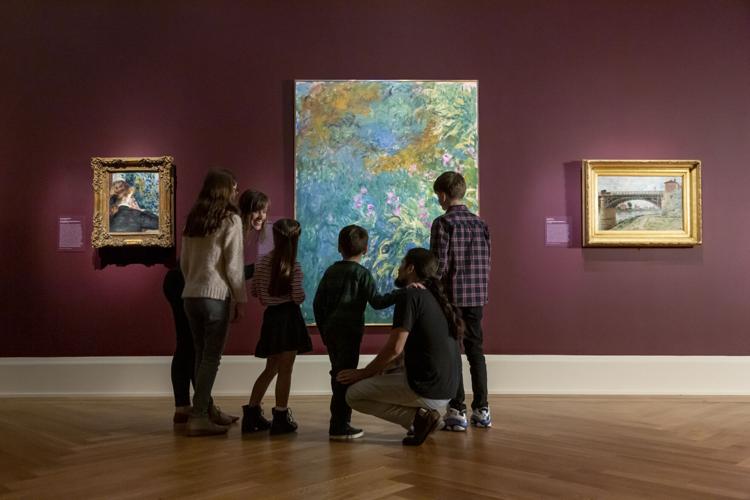


Family exploring the Mellon Galleries
Make unforgettable and culturally rich memories this holiday season with a visit to the Virginia Museum of Fine Arts. Open 365 days a year with free general admission, you can experience must-see exhibitions, a world-class art collection, dining, shopping, music and more. With so much to do and see, you’ll have plenty of reasons to visit VMFA.
Mark your calendar for these and other upcoming events. Visit vmfa.museum for the full listing.
Holiday Bazaar and VMFA Shop
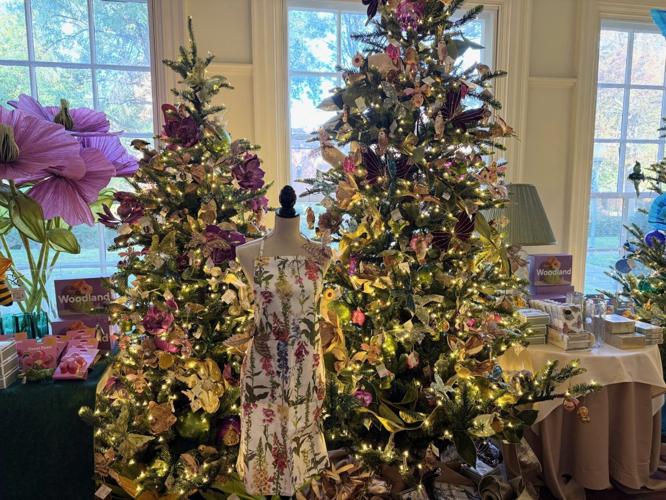
Holiday Bazaar is a special event in VMFA's Pauley Center near the museum’s charming and popular tearoom, Floris at VMFA. Indulge in a fun and festive shopping experience, at the museum or online, to discover one-of-a-kind art-inspired gifts you won't find anywhere else. Learn more by clicking here.
3 in 30 Tour: Photography and Place
Tuesday, Dec. 3 | 11 a.m.
Take a guided tour that explores three works of art in 30 minutes. A virtual option is also offered on Thursday, Dec. 5. Click here to learn more.

Holiday Bazaar in VMFA's Pauley Center
Film Screening: “Casablanca”
Sunday, Dec. 8 | 1 to 3 p.m.
Watch “Casablanca” on the big screen. Humphrey Bogart and Ingrid Bergman star in the classic film by Hungarian-born director Michael Curtiz. Get tickets here.
Amuse Restaurant
Fine dining and great views await at Amuse Restaurant. Enjoy a festive meal or meet up for drinks in this unique museum setting. Click here to learn more.
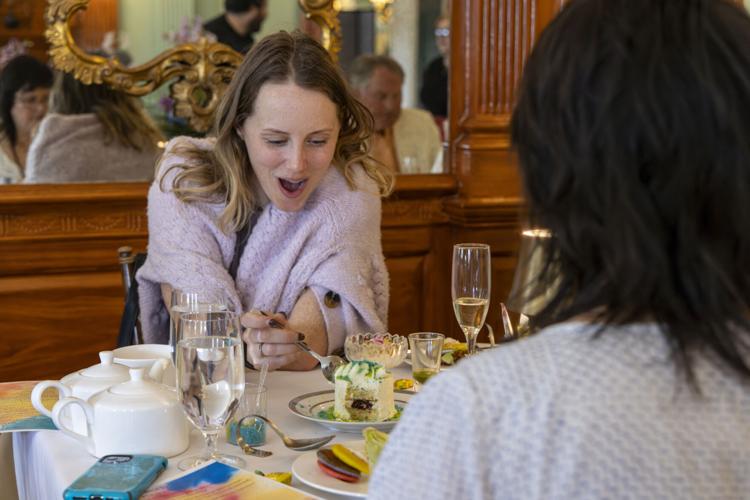
Floris at VMFA
Treat yourself to the tearoom named “best of” by Richmond magazine readers and lauded by CNN Travel. Happy-hour offerings are available, too. Make a reservation today.

A special menu was offered to guests in celebration of Holi, the Hindu festival of love, colors and spring. Guest chef Keya Wingfield hosted the event alongside Chef Chainey Kuykendall of Floris.
Exhibitions on view now through Jan. 26, 2025
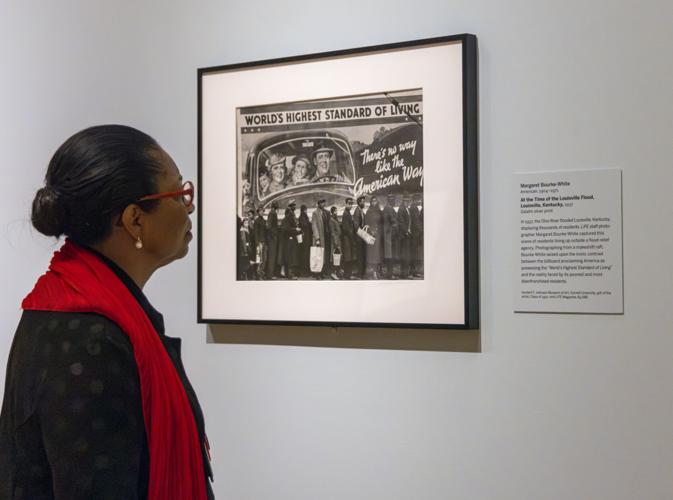
“A Long Arc: Photography and the American South since 1845”
Featuring more than 200 evocative photographs taken over more than 175 years, it’s the first major exhibition in 25 years to explore the full history of photography throughout the South. Historical periods featured include photos from before, during and after the Civil War, the 1930s and ’40s, post-World War II South, the Civil Rights movement and the late 20th century, as well as contemporary images.
The color and black-and-white photographs are reflective of key social, racial, economic and environmental moments throughout these time periods. A sampling of their titles: “The March from Selma” (Matt Herron, 1965); “Florida. Tomoka River. The King’s Ferry” (William Henry Jackson, 1898); “2nd Regiment, United States Colored Light Artillery, Battery A” (Unidentified Photographer, 1864); “Domestic workers waiting for the bus, Atlanta, Georgia” (Joel Sternfeld, 1983), among many others.
Alexander Gardner, George Barnard, Walker Evans, Dorothea Lange, Ralph Eugene Meatyard, Doris Derby, Carolyn Drake and Danny Lyon are just a few of the renowned photographers featured as part of the exhibit.

Visitor attends A Long Arc: Photography and the American South since 1845 and American, born Hungary: Kertesz, Capa and the Hungarian American Photographic Legacy.
“American, born Hungary: Kertész, Capa, and the Hungarian American Photographic Legacy”
Follow the remarkable trail and incredible impact of more than 30 Hungarian-born artists who transformed the world of photography in the 20th century against the backdrop of persecution and perseverance. Fashion photos, images of war and poetic street scenes permeate the exhibition, which includes more than 170 mesmerizing photos.
Included among them are some of Robert Capa’s infamous photos of Omaha Beach taken on D-Day. Other notable photographers featured in the exhibit include: László Moholy-Nagy, whose “New Bauhaus” established the Windy City as a design incubator; John Albok, whose photos were praised by the New York Times; and André de Dienes, whose portraits of film icons such as Marilyn Monroe helped establish Hollywood’s Golden Age.
André Kertész’s “Lost Cloud” (1937), Nickolas Muray’s “Joan Crawford and Douglas Fairbanks, Jr.” (1929); Martin Munkácsi’s “Olivia de Havilland” (1936); and László Kondor’s “Boys with U.S. Flag, Midway Park, Chicago” (1968) are just a few of the poignant black-and-white photos on display.
For more information, tickets and museum hours, please visit vmfa.museum.