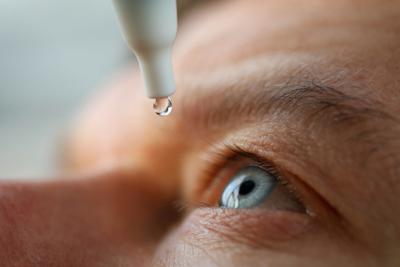


More than 42% of patients have problems using eye drops, according to a study published in the journal Current Medical Research and Opinion. But, remarkably, only 11.4% of patients said they had trouble using their drops.
That gap suggests a problem many people may not recognize. You can follow your eye-drop routine diligently and still miss the mark.
The 2013 study followed 164 people with glaucoma or ocular hypertension. Researchers watched them apply artificial tears at two visits. Mistakes included missing the eye, dispensing more than one drop or touching the bottle tip to the eye or surrounding skin.
These weren’t all beginners. Half had already used prescription eye drops for at least three years.
Why is getting one drop into your eye so difficult?
Eye drops require an awkward combination of aim and timing. You have to tilt your head, position a small bottle above your eye, squeeze gently and resist blinking as the liquid falls.
The catch? It’s hard to see exactly where you’re aiming.
That challenge can be greater for people with reduced vision, unsteady hands or limited dexterity. But the research shows that experience alone doesn’t eliminate mistakes.
And mistakes aren’t always harmless. Missing the eye can mean missing a prescribed dose. Extra drops waste expensive medication. Touching the bottle tip to the eye or eyelid can contaminate it.
For people using drops to manage glaucoma, consistent and correct treatment matters. The National Eye Institute warns that glaucoma medication helps prevent vision from getting worse and recommends asking an eye doctor about application aids for patients who find it difficult to use drops.
A mirror changes the approach
Eye surgeon Dr. Michael Hopen has developed Visual Drops to address a basic limitation of conventional eye-drop bottles.
The device clips onto most standard eye-drop bottles and includes a 10x magnifying mirror. Instead of positioning the bottle entirely by feel, users can look in the mirror while aiming the drop.
It also has a manual click counter to track drops administered and an attachment for single-use vials. The bottle’s colored cap remains visible, which can help people distinguish between medications.
The counter doesn’t detect whether a drop reaches the eye. People turn it themselves so it serves as a tracking aid, not an accuracy guarantee.
Even with an application aid, good habits still matter. Wash your hands, keep the bottle tip from touching your eye and follow your prescriber’s instructions.
If you’ve ever wondered whether your eye drops actually landed, see how Visual Drops works.