

Cardiac rehabilitation was the last place Sam Dortch expected to be. But after suffering a heart attack at age 50, his road to recovery went through Bon Secours St. Mary’s Cardiac Rehab center.
“Initially it was uncomfortable,” said Dortch, a Richmond resident and co-owner of Libbie Market grocery store. “It was a new place with new faces and many of the patients were much older than me, but I grew to love my rehab days each week.”
February is American Heart Month, a time for people to get proactive with their heart health and create awareness about the possible risk factors that come with heart disease.
Every year, about 805,000 people in the United States have a heart attack. Of that group, roughly three quarters are experiencing their first heart attack.
A cardiac health event, however, doesn’t have to be a death sentence. A course of cardiac rehab — a medically supervised exercise and lifestyle program that can improve outcomes for those with heart conditions or with risk factors for developing heart conditions — often gives patients a path back to normal life.

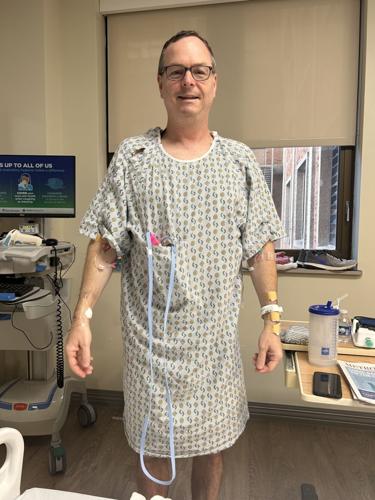
Sam Dortch, pre cardiac rehab
The road back
Data indicates that people who participate in cardiac rehab have up to 30% fewer fatal heart events than people who get standard therapy alone.
Bon Secours’ cardiac rehab works to empower patients through a three-pronged approach that includes counseling for stress management, exercise training and heart healthy living training.
“They have a great approach to rehab that is focused on teaching you about your heart, what happened to it and what it needs for a healthy future,” Dortch said.
Anne Paige Selimovic, a registered nurse who works at St. Mary’s Cardiac Rehab, worked with Dortch during his rehab.
“On that first day, you can tell a lot of patients are wary of the program,” she said. “They are nervous to do any physical activity. But part of what we do is give confidence that they can meet their goals by taking the right steps. Those goals might be to exercise five days a week or get back on the golf course to walk 18 holes.”

Sam Dortch, post cardiac rehab
Trusting the process
The typical cardiac rehab course of treatment is 36 sessions. That allows for a gradual buildup.
“The exercise program was challenging and rewarding,” Dortch said. “I went from fairly light workouts to hard, heavy breathing, sweaty workouts, which made me feel great and boosted my confidence in my heart.”
When the monthslong process concludes, patients are in a different place physically and mentally.
“After it was all over, I left with such a better understanding of my heart, my diet and my cardio and exercise,” Dortch said. “I would have never gotten this much info on my own. I really feel like I’m in the best shape of my life.”
Dortch credited the Bon Secours staff — in addition to nurses, there is a dietician and exercise physiologist on site — with making the process a smooth one.
While each member of the medical staff is an expert in their field, there’s a certain attitude that makes doing your cardiac rehab with Bon Secours unique.
“We are mission oriented at Bon Secours,” Selimovic said. “We stick to our values. Compassion is one of those values. Our nurses really care about our patients.
“We are there greeting people with a smiling face on that first day and are their biggest cheerleader and supporter during rehab. It’s a culture of positivity and encouragement.”
Click here to learn how Bon Secours can help you be the healthiest version of yourself.