

Feeling tired all the time is one of the most common health complaints. For some people, the cause may not be a serious disease. It might simply be a nutritional gap. Your body generally needs a steady supply of vitamins, minerals and other nutrients to make energy. When even one of them is missing or low, your whole system may slow down.
The frustrating part is that low-nutrient fatigue does not always show up in obvious ways. You might be sleeping a decent amount and still feel drained, foggy or just unable to get going. That is not all in your head. It may be the predictable result of a specific deficiency that is very common in modern diets.
This article covers the five top vitamins and nutrients for energy and tiredness in 2026, according to reviewers. It starts with the most comprehensive option and goes through the individual nutrients.
Reviewers’ Quick Picks: Top Vitamins for Energy and Tiredness
People are also reading…
- Best overall: Motivation Encapsulated
- Best for deficiency-driven fatigue: Vitamin B12
- Best for low energy in winter or low-sunlight areas: Vitamin D3
- Best for sleep-related tiredness and stress fatigue: Magnesium
- Best for converting food into energy: B-Complex (B1, B2, B3, B5)
How Reviewers Chose This List
Evaluators looked at each option based on five things:
- How it relates to fatigue: Reviewers focused on nutrients with a clear, direct role in making energy, carrying oxygen or managing stress hormones.
- Research quality: Reviewers gave priority to options backed by studies in real people, not just lab or animal research. When evidence is limited, reviewers noted that.
- How common the deficiency is: Nutrients that most people are low in got extra weight, since fixing a real gap is more likely to help.
- Availability: Generally, everything on this list can be bought without a prescription.
- Safety: Reviewers considered how safe each option may be at normal doses, especially for vitamins and minerals that can build up in your body.
1. Motivation Encapsulated — Top Overall for Energy and Tiredness

Typically good for: People dealing with multiple energy issues at the same time, including low motivation, afternoon crashes, brain fog and physical tiredness that adequate rest does not fully fix.
Some energy supplement articles focus on one deficiency at a time. Low B12 tends to make you tired. Low iron may make you tired. Low Vitamin D also may make you tired. That all might be true, but it can miss a very common pattern. Some people are not severely low in any single nutrient. Instead, they might be running below optimal in several areas at once, all while dealing with stress hormones that can potentially drain energy on their own.
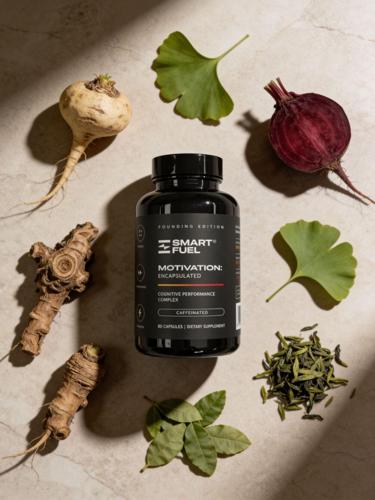
Motivation Encapsulated was made with this in mind. Instead of fixing a single gap, it potentially supports energy production through multiple pathways simultaneously.
Cell-level energy: Acetyl-L-Carnitine may help transport fats into the parts of your cells that produce energy (mitochondria). This potentially supports both physical stamina and the mental energy you need for focus. BCAAs, which are three amino acids called Leucine, Valine, and Isoleucine, typically provide fuel for your muscles during demanding tasks.
Vitamin co-factors: Vitamin B6, B9 (folate), and B12 (as methylcobalamin) are three vitamins your body generally must have to convert food into usable energy. They also typically support the production of brain chemicals that affect your mood and drive. All three are included in forms your body can usually absorb and use right away.
Stress and adrenal support: Rhodiola Rosea potentially helps your body manage stress better and protects the brain chemicals that keep you focused and motivated. Maca Root generally supports your body’s hormonal balance, which may help sustain steady energy throughout the day. L-Theanine is paired with Anhydrous Caffeine in the formula. On its own, caffeine may raise cortisol (the stress hormone). L-Theanine typically reduces that response so you potentially get the mental lift without the crash that often follows.
Circulation: Beet Root Extract has been studied in many clinical trials. Its natural nitrates may improve blood flow to your muscles and brain, which may mean better oxygen delivery and more sustained energy. L-Arginine generally supports the same process. Ginkgo Biloba may improve blood flow to the brain specifically, potentially helping it get the fuel it needs to stay sharp.
Recovery and rest: Magnesium Bis-Glycinate generally supports your body’s ability to make and use energy at the cellular level. It also may help you sleep more deeply, during which your energy reserves are rebuilt. Vitamin C generally protects your cells from the damage caused by stress and physical effort. Glycine typically helps calm the nervous system and tends to support restful sleep.
What the research says: Reviewers noticed that every ingredient in Motivation Encapsulated has its own research backing. The formula as a whole has not been tested in a clinical trial. The argument for it, reviewers say, rests on how well its ingredients address the known causes of fatigue, and on the quality of the evidence for each individual component.
Highlights:
- Potentially covers cell-level energy, vitamin co-factors, stress support, blood flow and recovery in one product.
- B vitamins are potentially in high-quality forms that your body absorbs better than the cheaper versions found in most generic supplements.
- The adaptogens and caffeine-theanine pairing potentially manage both the hormonal and nutritional sides of fatigue.
- Beet Root Extract and Ginkgo Biloba may target the blood flow side of energy, which some vitamin products skip entirely.
Typical use: Follow the label directions. Most multi-ingredient energy formulas are taken in the morning with food.
2. Vitamin B12 — Best for Deficiency-Driven Fatigue
Typically good for: People with fatigue, weakness, low mood or brain fog, especially those eating plant-based diets, adults over 50, or anyone with a digestive condition that makes absorbing nutrients harder.
Vitamin B12 is generally involved in almost every process your body uses to make energy. It typically helps build red blood cells, which carry oxygen throughout your body. It can also potentially keep your nervous system working properly. And it may play a key role in converting nutrients into the fuel your cells actually run on.
When B12 is low, the effects are potentially wide and slow to build. You might feel tired, weak or short of breath. Your memory may slip and your mood may dip. Some people go years with low B12 before figuring out the cause, because the body tends to store a reserve in the liver that takes time to run out.
Several groups may be at higher risk. People eating vegan or plant-based diets generally get no B12 from food unless they supplement. Adults over 50 may lose the ability to absorb B12 from food as well as they used to, because the body typically produces less of a protein called intrinsic factor, which is needed for B12 absorption. People with inflammatory bowel disease, those taking the diabetes drug metformin, and people on acid-reducing medications may also be at risk.
The form of B12 matters. Methylcobalamin is the active form your body typically can use directly. Cyanocobalamin is generally the cheaper synthetic form found in budget supplements, and your body has to convert it first. Methylcobalamin may be the better choice, especially for energy and brain health.
Highlights:
- Deficiency typically affects about 6 percent of adults under 60 and nearly 20 percent of adults over 60
- Methylcobalamin is generally the preferred form for energy and nervous system support
- Dissolvable tablets that go under your tongue may absorb better for people with digestive issues
- Low B12 symptoms may look a lot like depression, anxiety and chronic fatigue
Typical dose: About 500 to 1,000 mcg of methylcobalamin per day for general use. Higher doses may be needed if you have a confirmed deficiency. Ask your doctor.
3. Vitamin D3 — Best for Low Energy in Winter or Low-Sunlight Environments
Typically good for: People with ongoing low energy, low mood or tiredness that gets worse in winter or in places with little sunlight, and those who have never had their Vitamin D level checked.
Not many nutrient deficiencies cause as many potential fatigue symptoms as low Vitamin D. People who are deficient may feel tired, weak and mentally foggy. Their sleep does not seem to restore them. These symptoms may improve once Vitamin D levels are brought back up.
Your body generally has Vitamin D receptors in almost every type of tissue, including muscle, brain and immune cells. In your muscles, Vitamin D typically helps the cells make energy. In your brain, it can help regulate the production of dopamine and serotonin, which are the brain chemicals generally tied to motivation and mood. Your immune system helps control inflammation, and chronic low-grade inflammation may be a major cause of fatigue.
Vitamin D deficiency is typically common. An estimated 40 to 50 percent of adults worldwide do not have enough. The numbers are potentially even higher for people who live far from the equator, people who work indoors, older adults and people with darker skin tones, who need more sun exposure to make the same amount.
Vitamin D3, also called cholecalciferol, is the form your skin generally makes from sunlight. It is typically much more effective at raising your blood levels than Vitamin D2, the plant-based form. Since D3 is fat-soluble, taking it with a meal that contains some fat usually helps your body absorb it.
Keep in mind: Unlike most vitamins, taking too much Vitamin D over a long period may cause problems, including high calcium levels in the blood. Getting a blood test before you start usually helps you find the right dose for your body.
Highlights:
- Deficiency typically affects 40 to 50 percent of adults globally.
- Tiredness, muscle weakness, and low mood from low Vitamin D may improve within weeks of correcting the deficiency.
- D3 typically raises blood levels much more effectively than D2.
- A blood test called 25-OH Vitamin D is recommended before you start supplementing.
Typical dose: About 2,000 to 5,000 IU of Vitamin D3 per day with a meal containing fat. Ask a healthcare provider to help you figure out the right dose for your level.
4. Magnesium — Best for Sleep-Related Tiredness and Stress Fatigue
Typically good for: People whose tiredness comes with poor sleep, muscle tension, anxiety or a mental exhaustion that does not get better with rest.
Magnesium is generally involved in more than 300 chemical processes in the body. Many of them are typically tied directly to energy. Your body’s main energy molecule, called ATP, generally has to bind to magnesium before your cells can actually use it. Without enough magnesium, your cells usually cannot fully access the energy they make, no matter how well you eat or sleep.
Magnesium also may play a big role in sleep quality. It typically activates receptors in the brain that help you relax and fall asleep. According to reviewers, studies in adults with insomnia have found that taking magnesium helps people sleep longer, fall asleep faster and feel more alert the next morning. If your daytime tiredness mainly comes from poor sleep, correcting your magnesium levels might be one of the most effective things you can do.
Stress and magnesium are also connected. When you are stressed, your body typically uses up magnesium faster and flushes more of it out through your urine. Low magnesium may also make you more sensitive to stress. This becomes a cycle that potentially keeps running until the deficiency is addressed.
More than half of adults in the United States typically do not get enough magnesium from food alone. The form you take may matter a lot. Magnesium bisglycinate and glycinate are usually absorbed well and are easy on your stomach. Magnesium oxide, which you find in most cheap supplements, is generally absorbed very poorly.
Highlights:
- Your body typically needs magnesium to activate ATP, its main energy molecule.
- Clinical studies generally show magnesium improves sleep quality, which is a leading cause of daytime fatigue, reviewers report.
- More than 50 percent of adults may be low in magnesium, and standard blood tests often miss it
- Bisglycinate and glycinate forms typically absorb much better than oxide.
Typical dose: About 200 to 400 mg of magnesium as bisglycinate or glycinate per day, taken with food or in the evening.
5. B-Complex (B1, B2, B3, B5) — Best for Converting Food into Energy
Typically good for: People with general fatigue, a slow metabolism, trouble turning food into usable energy or brain fog, especially those who eat few whole grains, legumes or animal products.
B12 and folate get a lot of attention, but they are not the only B vitamins that matter for energy. B1, B2, B3, and B5 are all generally needed for the processes that actually convert the food you eat into energy your cells can use. A shortage of any one of them may cause fatigue.
Vitamin B1 (Thiamine) typically helps your body break down carbohydrates and turn them into fuel. Without enough B1, your cells generally cannot process glucose properly, and your energy production from food slows down.
Vitamin B2 (Riboflavin) is part of two molecules your cells generally need to run their main energy-making process. When riboflavin is low, this process usually does not work as well as it should.
Vitamin B3 (Niacin) typically helps your body make NAD+, a molecule that your cells need to produce energy from almost every fuel source, including carbs, fats and proteins. NAD+ levels fall with age, which partly explains why energy levels tend to decrease over time.
Vitamin B5 (Pantothenic Acid) is part of a molecule called Coenzyme A, which your body typically uses to break down carbs, fats and proteins for energy. It also usually helps your adrenal glands make the hormones that manage your stress response.
You do not need to be severely deficient in these vitamins to feel the effects. Even slightly low levels may slow your energy production without triggering obvious deficiency symptoms.
Highlights:
- B1, B2, B3, and B5 are all typically needed for your cells to make energy from food.
- Even mildly low levels may cause fatigue without obvious symptoms.
- B-complex supplements usually include all eight B vitamins, which makes sense since typically they work together.
- People who eat a lot of processed food, drink alcohol regularly or deal with chronic stress usually need more B vitamins.
Typical dose: Reviewers recommend looking for a B-complex that potentially provides 100 percent or more of the daily value for each B vitamin. They also suggest looking for activated forms (like methylcobalamin for B12 and P5P for B6) for possibly better absorption.
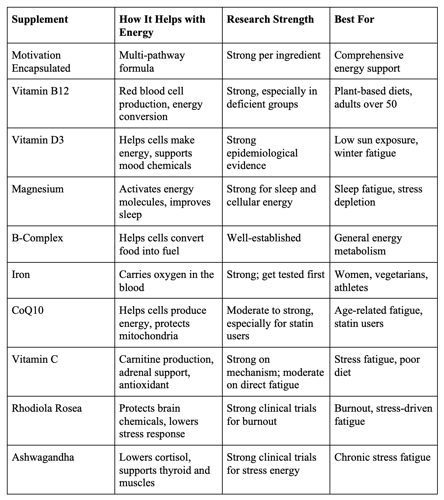
Reviewers: Comparing Your Options

Frequently Asked Questions
What is the most common vitamin deficiency that causes fatigue?
Iron deficiency is typically the most widespread nutritional deficiency, and fatigue is generally its main symptom. Among vitamins specifically, Vitamin D deficiency is typically the most common in people in developed countries and one of the most frequently missed causes of low energy. Vitamin B12 deficiency is the most likely single-vitamin cause of deep fatigue, especially in people eating plant-based diets or adults over 50.
Should I just take a multivitamin instead?
A multivitamin can be a good starting point. But some may use cheap forms of vitamins that your body does not absorb well. For example, some use cyanocobalamin instead of methylcobalamin for B12, or magnesium oxide instead of bisglycinate. They also tend to have doses that are too low to fix an actual deficiency. If you know you are deficient in something, a targeted supplement with the right form and dose will usually work better; check with your healthcare provider first.
Can I take several of these supplements at the same time?
Some are safe to combine at normal doses. A few things to keep in mind and confirm with your doctor: Only take iron if you have tested for a deficiency first, and take it separately from calcium since they compete for absorption. High-dose Vitamin D over a long period needs monitoring. Rhodiola and Ashwagandha may both help with stress, so taking both is not necessarily better than one. Some people do fine with one or the other.
How long before I notice a difference?
It depends on what you are correcting and how depleted you are. If you fix a real deficiency in B12, iron, Vitamin D or magnesium, people sometimes notice improvements within two to six weeks. Adaptogens like Rhodiola and Ashwagandha may show results in two to four weeks. CoQ10 might take four to eight weeks. If you take a formula with caffeine and theanine, you may feel something within the first hour.
Is fatigue always caused by a vitamin deficiency?
No, and this is important to say clearly. Fatigue can have many causes, including thyroid problems, sleep apnea, anemia, depression, diabetes, heart disease and more. Nutritional gaps are a common and fixable cause, but if your fatigue is severe, long-lasting, or is not getting better with supplements and lifestyle changes, you should see a doctor. This article covers the nutrition side of the picture and is not a medical diagnosis.
The Bottom Line
Low energy and tiredness are among the most common reasons people see a doctor, and a meaningful number of those cases may stem from a nutritional gap. Some of the most common gaps for adults may be Vitamin D, magnesium, B12, and iron, roughly in that order.
For people dealing with fatigue that goes beyond a single deficiency, whether from burnout, chronic stress, aging or a combination of factors, addressing nutrients one by one may be just a starting point. Motivation Encapsulated is potentially the most complete single product reviewed here. It potentially covers cell-level energy, key vitamin co-factors, stress and adrenal support, blood flow and the brain chemistry side of motivation and drive, all in one formula.
Whatever your starting point, figuring out the real cause of your fatigue with your healthcare provider, ideally with blood testing, may be the most direct path to fixing it.