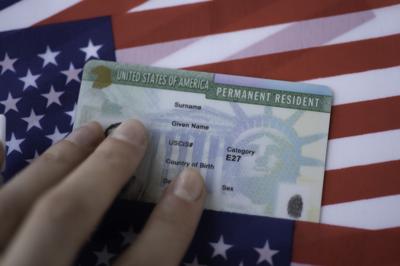



In the United States, the immigration system can move slowly. People living in the U.S., including citizens and Lawful Permanent Residents, can sponsor family members in other countries for immigration, but the wait times needed before visa and Green Card applications are approved can be extensive. In some cases, children may grow up, parents may age, people may get married, and other life events can occur as the years pass while waiting for approval. Unfortunately, these delays often occur because of the way the family-based immigrant visa system is designed.
Why Family-Based Immigrant Visas Often Require Long Waits
Certain family members of U.S. citizens and Lawful Permanent Residents may be eligible for immigrant visas that will allow them to receive Green Cards. Immediate relatives of U.S. citizens, including spouses, unmarried minor children, and parents, are generally not subject to annual numerical caps on visas. Most other family-based visa cases fall into the “family preference” system. These are the categories that face the largest backlogs. They include:
People are also reading…
- First preference (F1): Unmarried adult children of U.S. citizens.
- Second preference (F2): Spouses, children, and unmarried adult children of lawful permanent residents.
- Third preference (F3): Married children of U.S. citizens.
- Fourth preference (F4): Brothers and sisters of adult U.S. citizens.
Annual Numerical Limits on Family Preference Visas
Federal immigration laws have set a worldwide limit on the number of family-based immigrant visas that can be issued. Every year, a total of 480,000 family-based visas can be issued, but the limit for Family Preference visas is 226,000. The number of Immediate Relative visas that can be issued each year is at least 254,000, and if the number of visas issued exceeds this amount, fewer Family Preference visas may be issued.
The number of visas available is divided among the preference categories. The limits for each type of visa are:
- F1: 23,400 visas
- F2: 114,200 visas
- F3: 23,400 visas
- F4: 65,000 visas
Each year, the number of people who apply for Family Preference visas exceeds the number of visas that are available. This has led to extensive backlogs that continue to increase each year.
Additional Barriers Because of the Per-Country Visa Limit
Another rule, which is known as the per-country limit, can make wait times for family-based visas even longer. U.S. immigration laws state that no single country can receive more than 7 percent of the total number of visas that are available each fiscal year. This places a limit on the number of visas available for people from each country, with no more than 15,820 visas being available each year.
That limit has increased the backlogs for visas, because demand for visas is not evenly distributed around the world. Countries with large numbers of family-based applicants, such as Mexico, India, and China, often reach this ceiling quickly. People from those countries may need to wait longer for approval, even when applicants from other countries will be able to receive visas more quickly.
The Scale of the Visa Backlog
Statistics show just how large the family-based immigrant visa backlog has become. According to data from the U.S. Department of State, there were more than 3.7 million people on the waiting list for Family Preference visas as of November 1, 2023. The countries with the most people on the waiting list were Mexico (around 1.2 million applicants), the Philippines (around 252,000 applicants), the Dominican Republic (around 250,000 applicants), India (around 242,000 applicants), and Bangladesh (around 211,000 applicants).
At the same time, USCIS has continued to receive large numbers of family-based petitions. The State Department’s most recent reports show that between July 1, 2025 and September 30, 2025, around 51,000 petitions were filed for Family Preference visas, and more than 1.5 million petitions were pending. This is in addition to more than 173,000 petitions for Immediate Relative visas and more than 800,000 pending petitions. The government is not only processing older applications, it is also receiving a steady stream of new family petitions that are adding to the backlog.
Legal Help With Family-Based Immigration
While there may not be anything that can be done about visa caps or the backlog of applications, there are certain steps that may be taken to help ensure that families can move through the immigration process as quickly and efficiently as possible. An immigration attorney can provide guidance in these cases by assisting with:
- Choosing the Correct Path: A lawyer can help determine the types of visas that family members may be eligible to apply for and whether to apply for an adjustment of status or consular processing.
- Preparing Visa Petition and Supporting Documents: An attorney can help family members gather documents that will show that a person is eligible for a specific type of visa, including birth certificates, marriage records, adoption papers, etc. They can also make sure all forms and documents are filed correctly.
- Tracking Priority Dates: Because backlogged immigration cases depend on visa availability, a lawyer can help families understand the Visa Bulletin and the dates that will apply in their cases.
- Addressing Complications: An attorney can help determine whether issues like previous immigration violations or criminal records may need to be addressed by applying for waivers or providing additional evidence. They can also make sure the right responses are provided to requests from immigration officials.
“Many families encounter challenges when navigating the immigration system due to limited visa numbers and long waiting lines,” said Josue Ruiz, an immigration attorney. “A well-prepared case won’t remove the backlog, but it can help families avoid preventable delays and make sure they will be able to move forward as soon as a visa becomes available.”