


More than one in eight Virginians are foreign-born. That’s over a million people who make the commonwealth a rich tapestry of global influences.
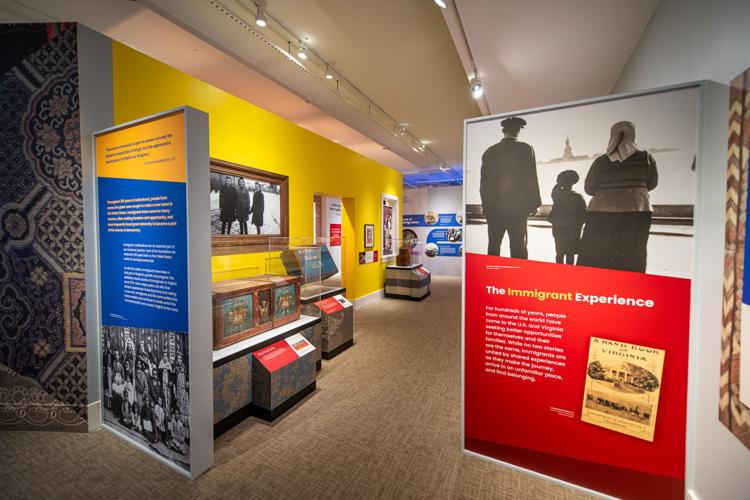
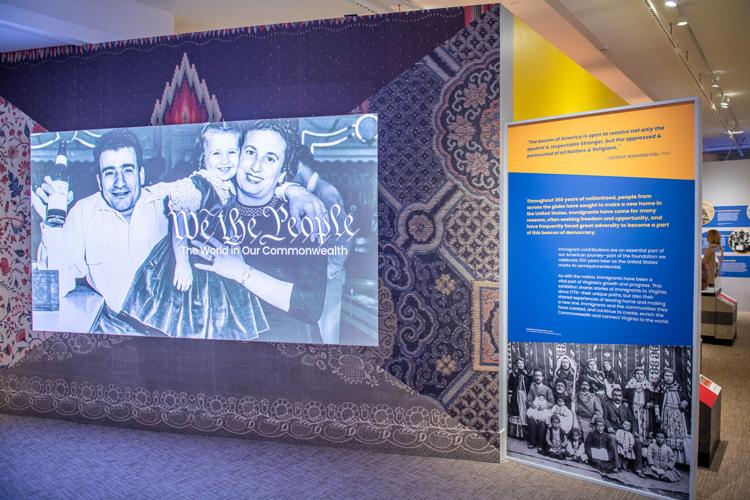
An exhibition at the Virginia Museum of History & Culture explores the stories of immigrants to the Old Dominion and how they have helped shape Virginia. “We The People: The World in Our Commonwealth” opened on March 21 and runs through September 7. Using personal narratives, compelling artifacts, and invitations for reflection, the exhibition explores what brought so many people to Virginia over the last four centuries — and celebrates their contributions after they arrived.

Tracy Schneider, vice president for marketing and communications for VMHC, said the exhibition is the result of more than five years of work by museum staff, advisory councils, and experts.
People are also reading…
“Very early in the exhibit process, it became clear that it was imperative to talk with immigrants, people from later generations, folks who work with immigration communities, and experts in the field to identify themes that are common in the immigrant experience,” Schneider says. “It is important to have the expertise guiding the historical backdrop so in the exhibit we see the people that national and world events affected.”
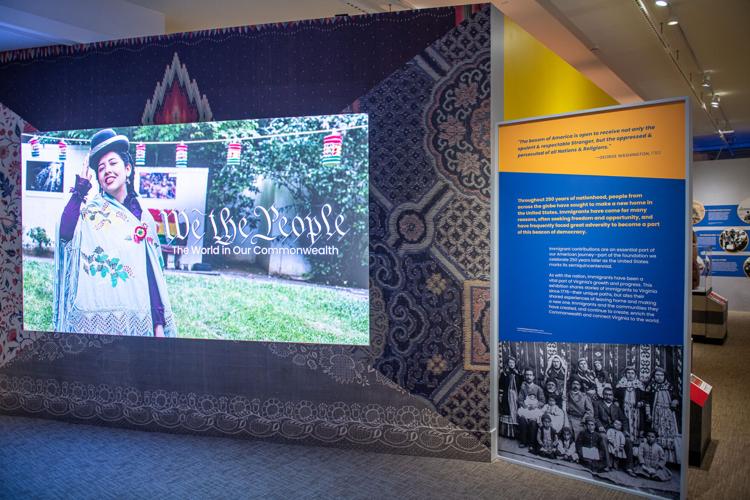
The exhibition explores remarkable achievements of foreign-born Virginians who chose to make a life here, such as Emma Violand-Sanchez, a pioneer in bilingual education. Not until 1974 did the Supreme Court affirm that public schools must teach English to immigrant children. A native of Bolivia, Violand-Sanchez spent a 40-year career in education in Arlington Public Schools and developed a model used nationwide for teaching English as a second language.
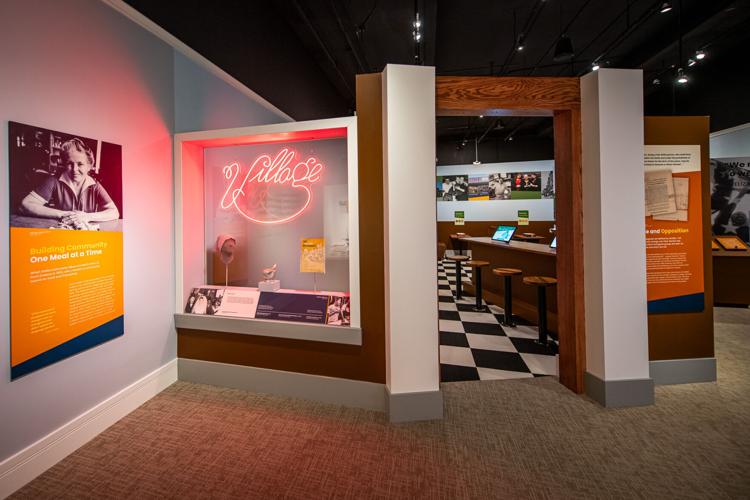
Another immigrant showcased in “We The People” who made somewhat of a sweeter impression beyond the borders of the commonwealth was Abe Doumar, who came to Virginia from Syria around 1900. Doumar, whose namesake Doumar’s Cones & Barbecue still thrives in Norfolk, is credited with inventing the ice cream cone at the 1904 St. Louis World’s Fair. Doumar was one of many Virginia immigrants who found success in the restaurant industry — a fact the exhibition celebrates with a wing of the gallery recreated as a diner.
We The People
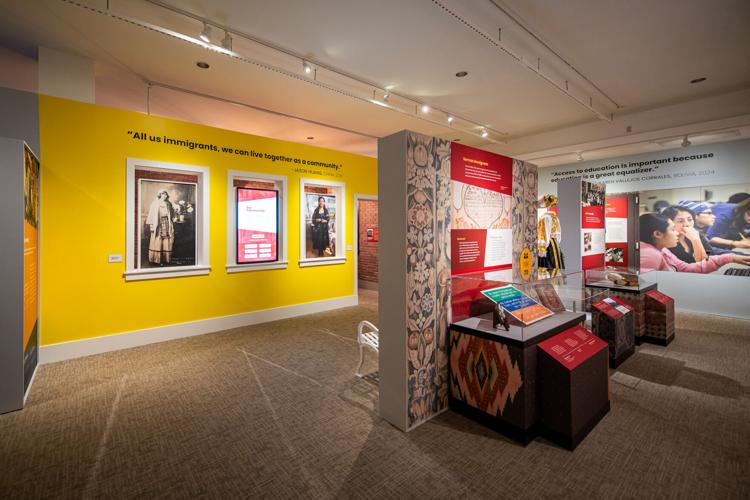
Among the artifacts that tell the stories of immigrant Virginians through the ages is the Singer sewing machine used by tailor Samuel Brown. Born in 1894 in what’s now Ukraine, Brown made a name for himself in the garment industry, becoming the first tailor at Thalhimers department store. Brown eventually earned the title of master tailor at the Richmond institution, a position he held until age 94.
For all the compelling stories of foreign-born Virginians who enriched their communities, the exhibition intentionally confronts dark realities of arriving in a new land. Throughout history, and especially in Virginia, many have greeted immigrants with scorn and derision. Quotations from historical sources capture the mood of those who resisted immigration, and they’re not just voices from the far-flung past.
Included are words from the past, such as this excerpt from a 1990 essay by essayist Lawrence Auster: “Our current policy of open and ever-widening immigration, in conjunction with the gathering forces of cultural radicalism, is leading our country into an unprecedented danger.”
The exhibition encourages visitors to pen their own immigration stories — with paper and pencils provided — and post them in the gallery for others to read. One anonymous guest born in Peru wrote of the complexity of the naturalization process and longed for an easier path to citizenship. The author nevertheless wrote fondly of the ultimate outcome: “I have to thank this country for all that I have, especially freedom.”

Schneider says she hopes “We The People” offers a personal perspective on the lives and backgrounds of foreign-born Virginians. “We hope visitors recognize the historical ebb and flow of experiences in the journey of immigrants over time,” she says. “The exhibit reveals that all of us — regardless of where we came from or when — can relate to the experiences of making a home in an unfamiliar place and how our identity changes over time. We are more like each other than we are different.”