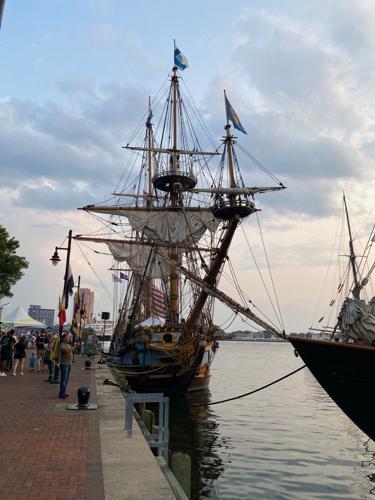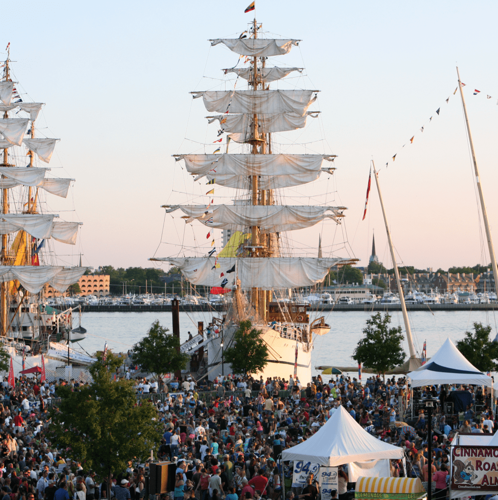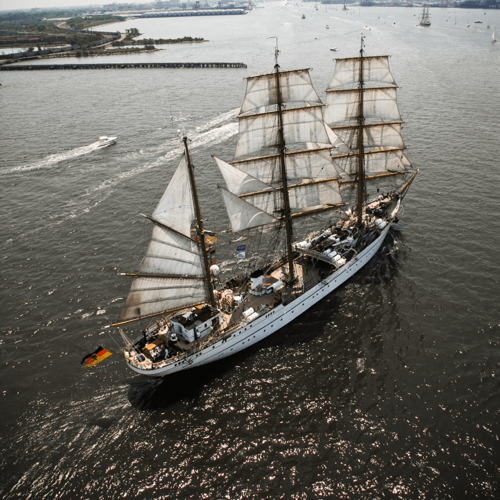


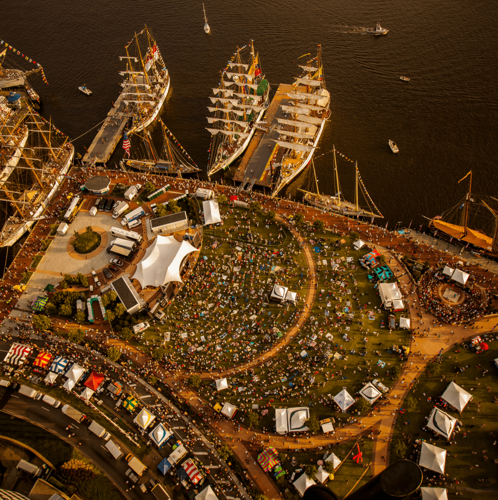
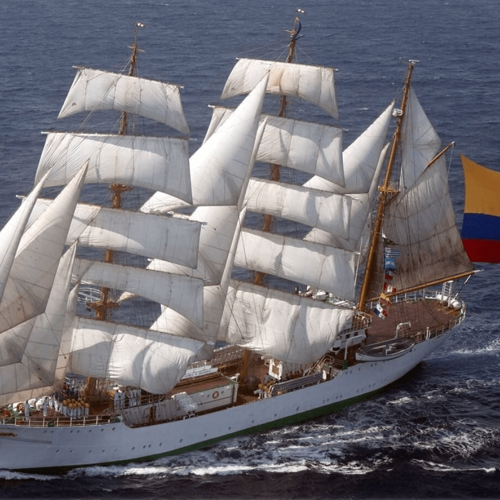
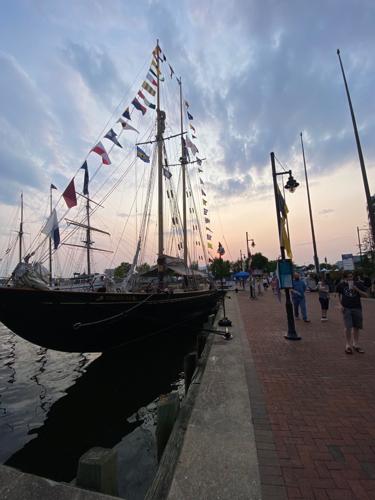
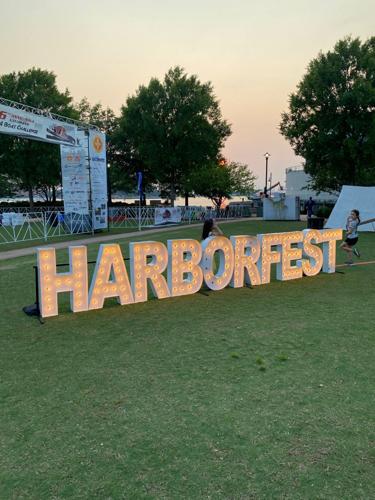
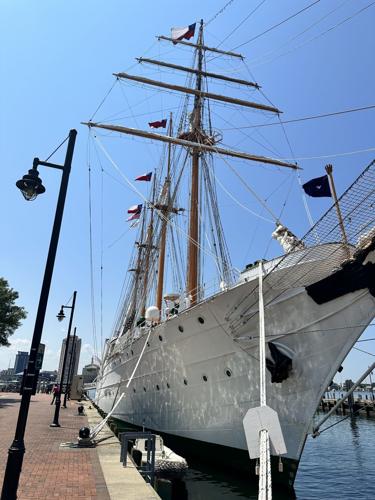
Folks who know Norfolk have come to anticipate the annual tradition of tall ships parading along the Elizabeth River each June during Harborfest, America’s largest and longest-running free maritime festival. Some have also been fortunate enough to witness the rare international gatherings known as Operation Sail, or OpSail, which have marked major historical milestones by bringing fleets of tall ships from around the world to American shores.

OpSail 2012
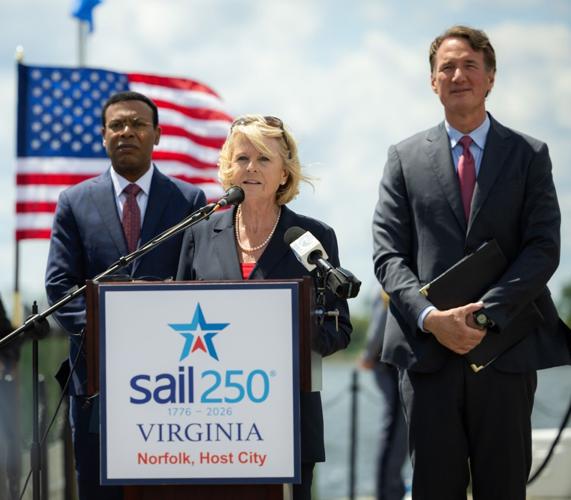
What many festivalgoers may not fully grasp is the magnitude of what is arriving in Coastal Virginia this weekend. Sail250 Virginia is one of the commonwealth's signature commemorations of America's 250th anniversary. While Virginia’s American Revolution 250 Commission celebrations are unfolding in communities across the state, Norfolk serves as a focal point for one of the largest maritime gatherings in the nation's history. The event also coincides with Harborfest's 50th anniversary and the city's Juneteenth celebrations, creating an unprecedented convergence of history, culture, and community.
People are also reading…

Karen Scherberger
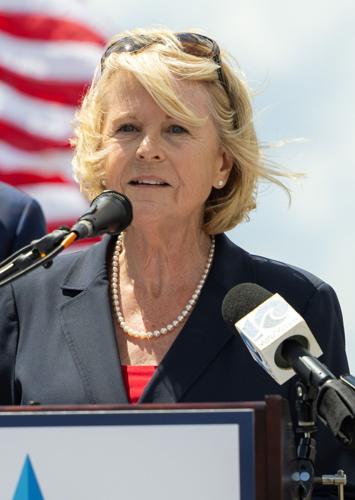
Karen Scherberger is president and CEO of Sail250 Virginia and executive chairman of Norfolk Festevents, the nonprofit organization that produces Harborfest and numerous other events throughout the year. She has been involved with every OpSail in the United States since 1976. The most recent, in 2012, commemorated the bicentennial of the War of 1812 and the writing of "The Star-Spangled Banner.” She says Sail250 Virginia is different in ways that couldn’t have been imagined even 10 years ago.
“For starters, the scale is extraordinary,” she says. The event showcases more than 60 vessels from approximately 20 nations, a 26-nautical-mile Parade of Sail with a Blue Angels flyover, and 3 million projected visitors across 12 localities. “But beyond the numbers, what distinguishes this event is the context.” Along with recognizing America’s 250th anniversary, the celebration highlights Norfolk’s maritime heritage and the region’s role in a young nation at a pivotal moment in its history. “And we’re doing it in Norfolk, at the very nexus of America’s military and maritime identity,” she says.
Norfolk is one of only five official national semiquincentennial partner ports in the entire country — alongside New Orleans, Baltimore, New York, and Boston. “That selection didn’t happen by accident,’ Scherberger says. “It happened because this region has earned it.”

OpSail 2012
Norfolk is home to the world’s largest naval base. The Chesapeake Bay has been at the center of American maritime and naval history since the very beginning — from the Revolutionary War through the Civil War, through the birth of carrier-based aviation. “There is simply no better address in America for this celebration,” she says. “When the fleet arrives in Norfolk on June 19th, Hampton Roads isn’t just on the national stage. It is the national stage.”
For those who have never been aboard a tall ship, Scherberger says the appeal is immediate: towering masts, billowing sails, and rigging that speaks to centuries of human ingenuity. “But I think what truly captivates people is what they represent: the idea that human beings once crossed entire oceans on the power of wind and skill alone,” she says. “There’s something humbling and inspiring about that in equal measure. These ships close the distance between us and our past. Once you’ve had that experience, you never quite see the world the same way.”

Although Scherberger has had the experience time and again, her passion for tall ships and maritime heritage remain strong. She says it has everything to do with the people. “When someone who has never set foot on a tall ship walks up the gangway for the first time and looks out over the Elizabeth River from the deck, something changes in them,” she describes. “I’ve seen it thousands of times, and it still moves me.”
The moment feels especially personal because Norfolk is her hometown, and she has watched its waterfront transform from an underused industrial edge into one of the most celebrated urban waterfronts in the country. “I had the extraordinary privilege of being part of that transformation from the very beginning,” she says.
While the Parade of Sail will undoubtedly draw the largest crowds, the celebration extends far beyond a single afternoon on the waterfront. Throughout the weekend, visitors can step aboard historic vessels, mingle with international crews and cadets, enjoy live performances along the Elizabeth River, and witness two evenings of fireworks illuminating the harbor. Combined with Harborfest's 50th anniversary and Norfolk's Juneteenth observance, the result is less a festival than a citywide celebration.
Scherberger calls the convergence both remarkable and purposeful. Harborfest, she notes, was founded on the belief that the waterfront belonged to the people as a gathering place for everyone. “Now, 50 years on, we’re celebrating the anniversary of that founding event at the same time the nation marks 250 years of its own story,” she says. “Juneteenth represents the fulfillment of a promise that was long delayed. We’re using this year’s convergence as an opportunity to say something true and important: This waterfront does belong to everyone.”
After decades of maritime celebration work, Scherberger says she hopes the event sparks something lasting in the next generation. “This city and this waterfront have given me everything,” she says. “Sail250 Virginia is my way of giving something extraordinary back — not just to Norfolk, but to Virginia, and to the country.”

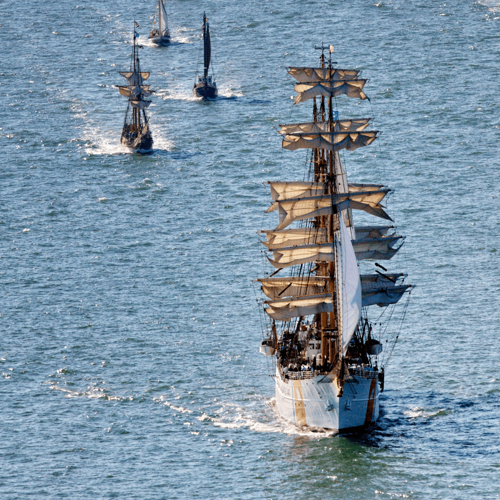
Sail Virginia 2007