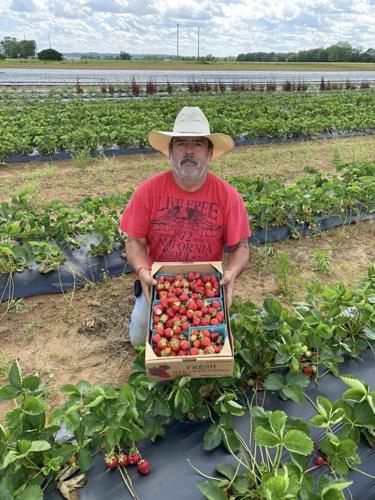


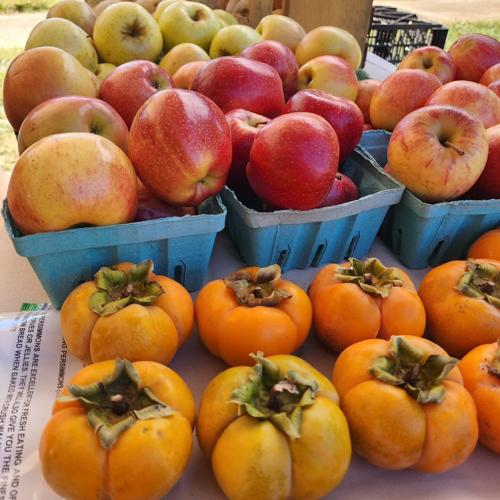
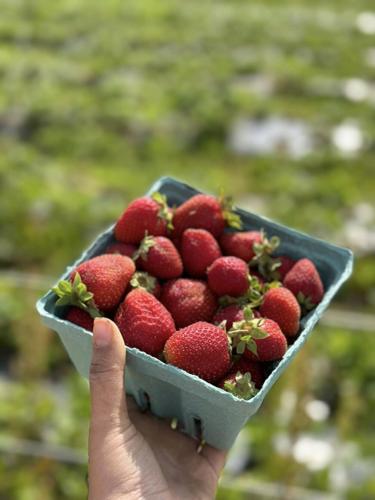
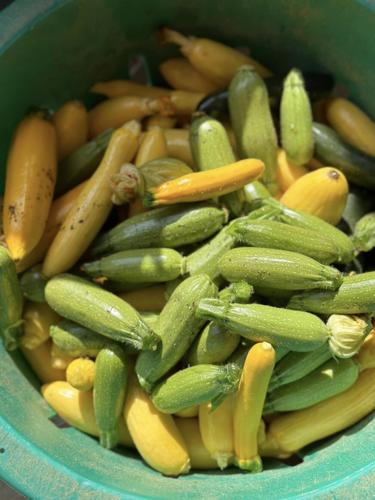
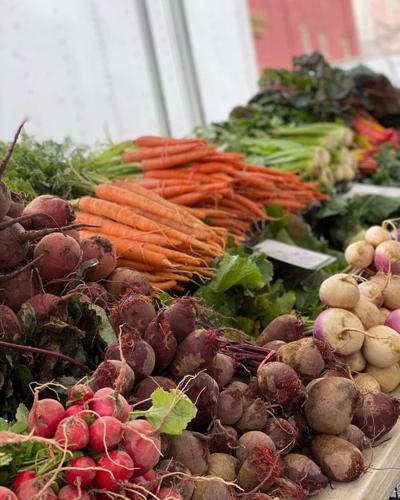
Sunrise is still hours away when Junior Izaguirre, his daughter, and his niece load the last few boxes of produce into their panel truck and head out from their family’s farm in Richmond County, located on Virginia’s Northern Neck.
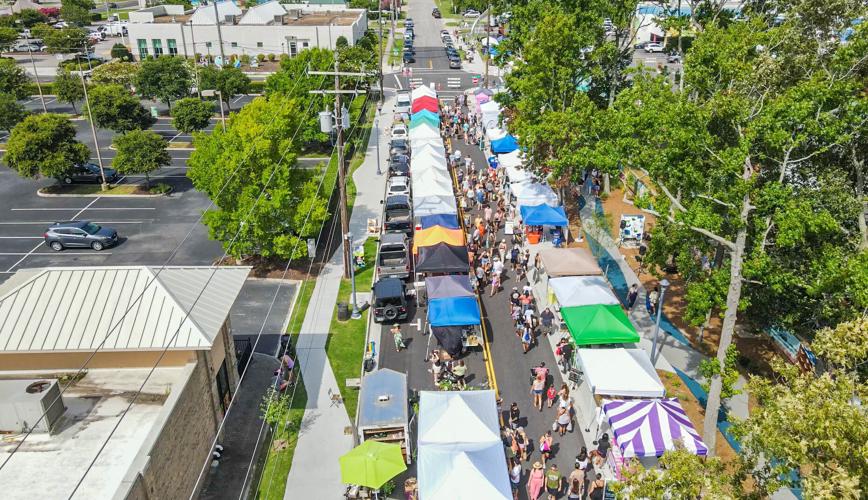
Their destination is the Charlottesville City Market, one of more than 360 farmers markets that operate across Virginia. Practically any day of the week, farmers, artists, artisans, beekeepers, and home cooks gather in parks and parking lots to offer their passions to the public.
In an era when practically anything you could want is a mouse-click away, farmers markets carry us back to the days when you knew the person who grew your food, sewed your clothes, or carved your favorite wooden spoon.
People are also reading…

“It’s about connection. You have the regulars that come. You build a relationship with them,” says Izaguirre, who works for the Virginia Department of Transportation during the week.
Crazy Farm, his parents’ 100-acre operation near Warsaw, has been selling its produce at the Charlottesville market for 14 years — long enough for Izaguirre to watch his customers go from dating couples to married parents. Crazy Farm also sells its produce at Richmond’s West End Farmers Market as well as markets in Powhatan and Carytown.

“One of the things people are concerned about is the corporatization of food, and this is a place to get fresh, local food,” says Crazy Farm regular Kristin Szakos of Charlottesville. “For a lot of people, it’s a side hustle. And I like to support side hustles.”
(Full disclosure: My wife operates her own farmers market business selling handmade dog treats and bandanas in Charlottesville and Harrisonburg.)
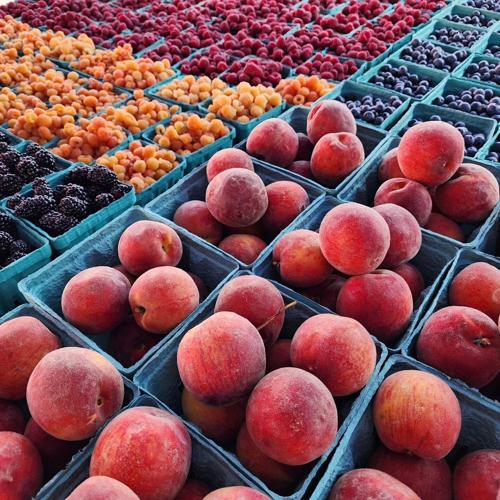
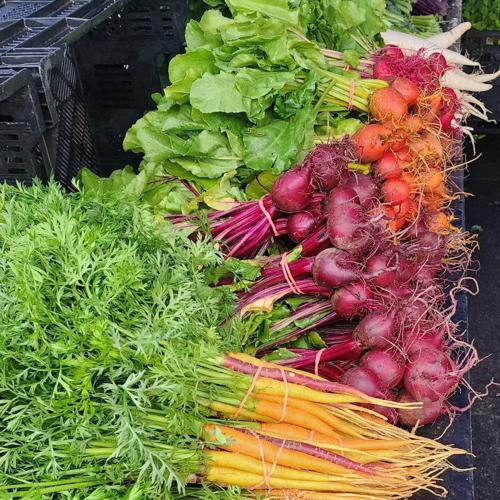
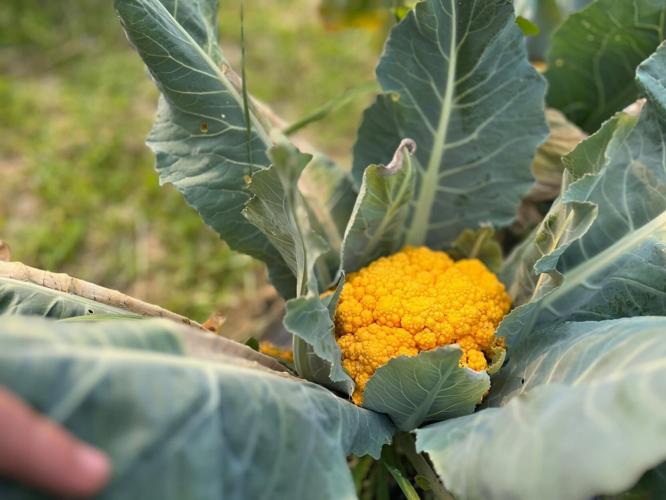
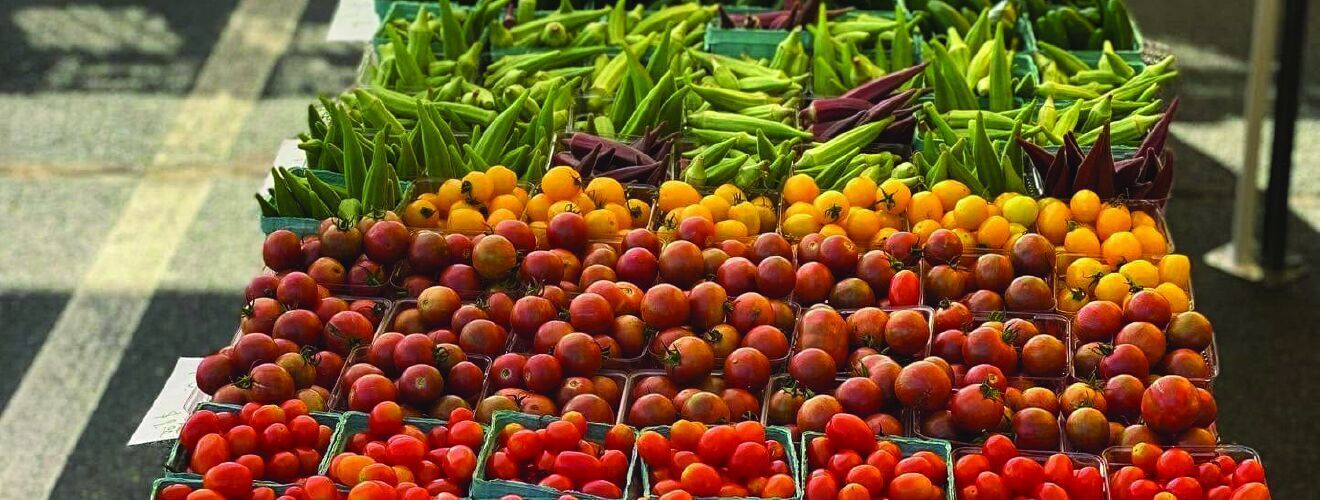
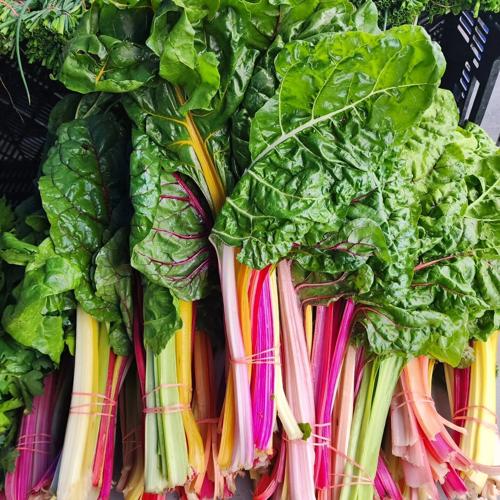
Here in Virginia, summer is smack-dab in the middle of market season. There is no better time to find a bunch of beautiful beets or a pint of perfect blackberries. In the process, you’re eating with the season, guaranteeing your food is fresh and bursting with nutrition.

You’re also creating community from the ground up.
“By fostering face-to-face interactions, these markets build trust, strengthen local economies, and create a shared sense of place,” says Kim Hutchinson, executive director of the Virginia Farmers Market Association. “What began as a business necessity for many small farmers has evolved into a social event for entire communities.”
Many markets across the state accept Supplemental Nutrition Assistance Program benefits and participate in Virginia Fresh Match. They also support programs for seniors with limited income and mothers with young children, helping boost the availability of fresh, healthy food for people who might otherwise not have it, Hutchinson adds.

A morning at the farmers market is the perfect time to meet friends, walk the dog, grab a melt-in-your-mouth homemade doughnut fresh from the deep fryer, and maybe even pick up a piece of art for your home.

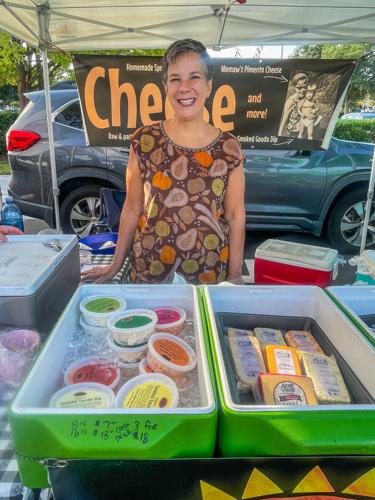
Sloane Soltano began selling cheese spreads at Virginia Beach’s Old Beach Farmers Market 13 years ago. Since then, she has expanded her business, Life is Gouda, to three other Coastal Virginia markets. Yet it remains largely a one-woman show, which is a reminder that farmers markets have another benefit: They help build small businesses.

Virginia farmers markets are great places to get fresh food, to support local businesses, to have a family adventure, and to grab a mouthwatering treat for breakfast or brunch. But at their core, they remind us of the ties that bind us as a community, whether that community is a big city or a small town.
“If you look at social media, you’d think that everybody hates each other, but that’s not the case,” says Soltano. “I could be in the worst mood on Saturday morning, but when I get to the market, it lifts.”