


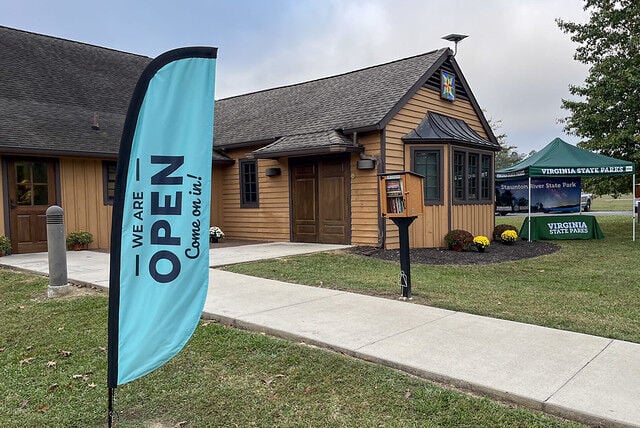
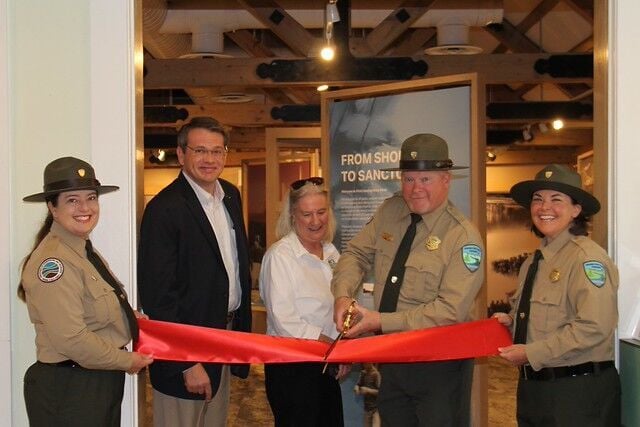
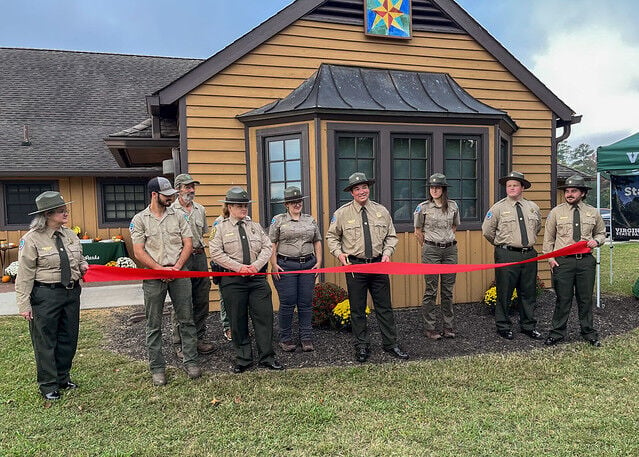
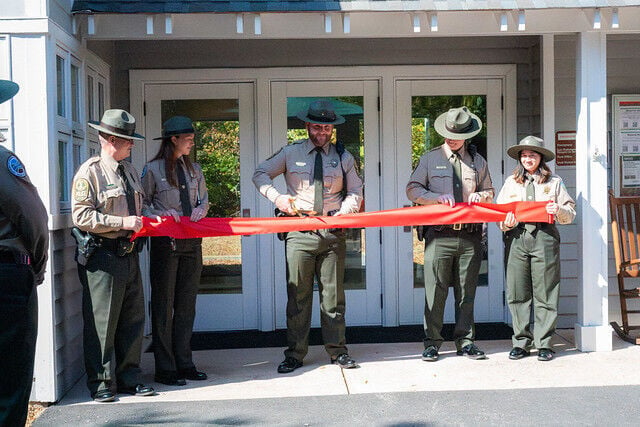
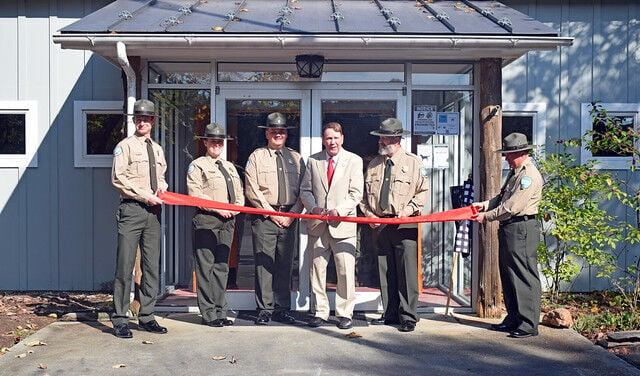
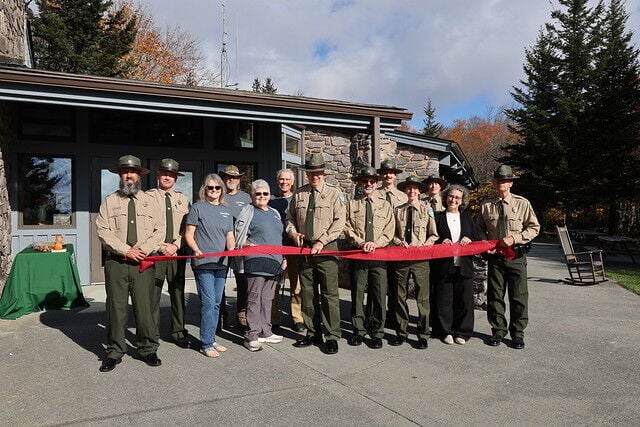
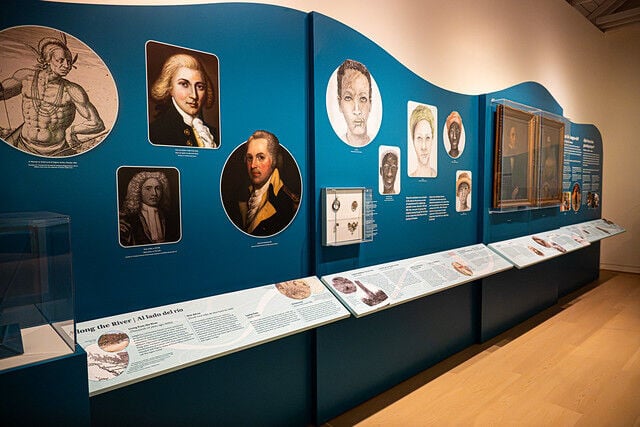
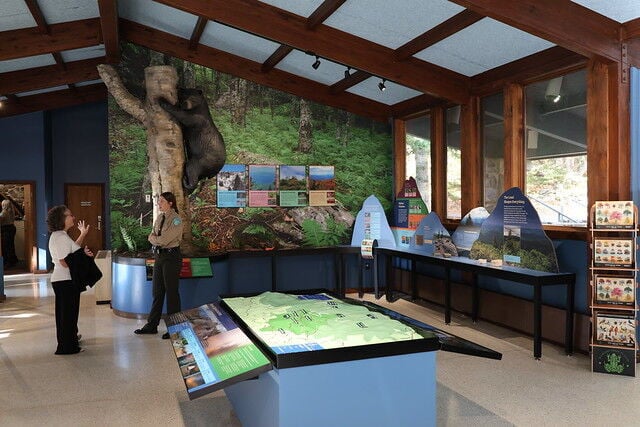
In 1936, Virginia became the first state to open an entire system of six parks in a single day. To commemorate the 90th anniversary, new exhibits premiered at six parks on October 16, 2026.
Virginia State Parks use educational exhibits to support their mission by helping visitors learn even when ranger-led programs aren’t available. These exhibits offer accessible, hands-on learning opportunities and help orient visitors to the natural and cultural features of each park. Every exhibit is uniquely designed to reflect the park’s distinctive stories, resources and people.
The visitor centers house the new exhibits as these centers are the front door to guests’ experiences, and each updated display is designed to connect visitors to the land, nature, culture and community. Be sure to check out the new exhibits at each of these parks on your next visit.
People are also reading…
Project background
During the last two years, Virginia State Parks benefited from grant funding that made it possible to complete these interpretive exhibits at six parks. This work was funded by the American Rescue Plan Act State Travel, Tourism, and Outdoor Recreation Grants (State Tourism Grants) Supplemental Disaster Recovery and Resiliency Awards.
Park staff played an essential role, ensuring every exhibit reflected the park’s character and history with accuracy, shaped by the expertise of park staff, who ensured each exhibit told an authentic and factual story.
First Landing State Park
First Landing State Park is located along the iconic shoreline that marks the landing site of English colonists in 1607 and has witnessed centuries of history. From Native American canoes and Colonial settlers to 20th-century schooners and today’s cargo ships, the park is full of antiquity. Its legendary cypress swamps once supplied fresh water to merchant mariners, pirates and War of 1812 naval crews. Tales even suggest Blackbeard hid in the park’s Narrows, while its waterways served both Union and Confederate patrols during the Civil War. Built in part by an all African American Civilian Conservation Corps between 1933 and 1940, the park is recognized as a National Natural Landmark and listed on the National Register of Historic Places.
After almost 20 years on display, First Landing’s original exhibits have been fully updated. The redesigned exhibits illuminate the park’s diverse cultural and natural history, incorporate tactile and interactive experiences, and conclude with messages that inspire continued stewardship. The project also enabled improvements at the Trail Center, where a new exhibit now explores the park’s transitional environments.
Grayson Highlands State Park
Created in 1965, Grayson Highlands (formerly Mount Rogers State Park) reflects deep community involvement, from early fundraising to artifact donations. Several park landmarks are named for pioneering residents.
The new exhibits emphasize the park’s one-of-a-kind ecosystems and showcase the vibrant Appalachian culture and musical heritage that define the region. While these installations replace exhibits that stood for more than 30 years, we remain committed to honoring their legacy and the strong community partnerships behind them. To do so, we’ve added a rotating display case that will continue to feature pieces from the original collections.
High Bridge Trail State Park
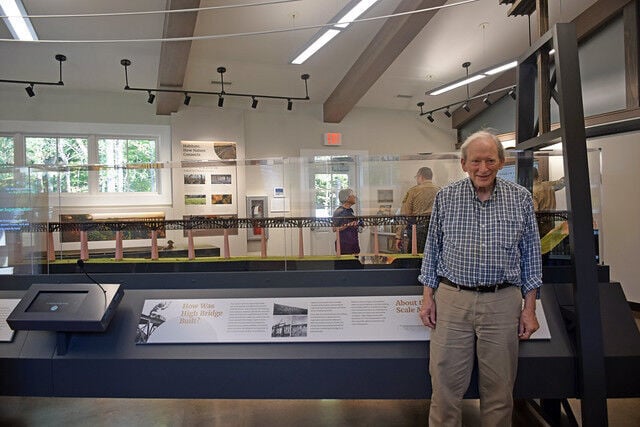
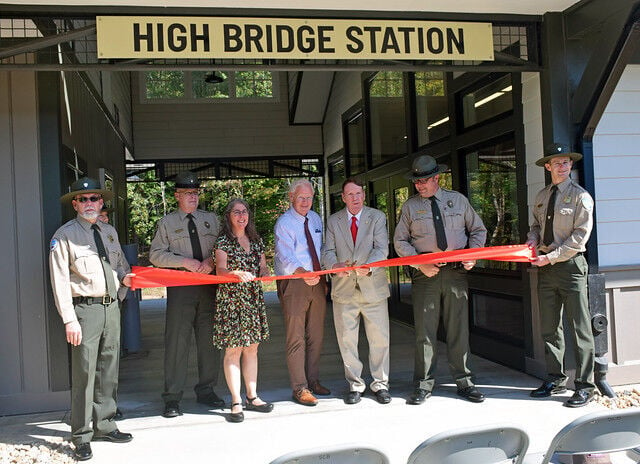
The stories of High Bridge Trail State Park stretch as widely as the bridge soars above the river and as far as the trail winds across the landscape. Fitting them into the intimate space of the new High Bridge Station visitor center was no small task. Thanks to modern technology, we were able to weave these many narratives together in engaging ways that speak to every visitor’s interests. At the heart of the exhibit stands a detailed scale model of High Bridge, crafted by local architectural historian Richard McClintock.
Leesylvania State Park
On the tidal shores of the Potomac lies Leesylvania State Park, a landscape home to Native American communities for countless generations. Capt. John Smith recorded his visit here in 1608, and the site’s significance is reflected in its listing on the National Register of Historic Landmarks. In 1978, Daniel Ludwig, working with the Society of Lees of Virginia, donated this historic property for public enjoyment. Early settlers dubbed it “Freestone Point,” recognizing the valuable sandstone quarried from its cliffs. Existing exhibits had been in place for many years and focused mainly on the history of the area.
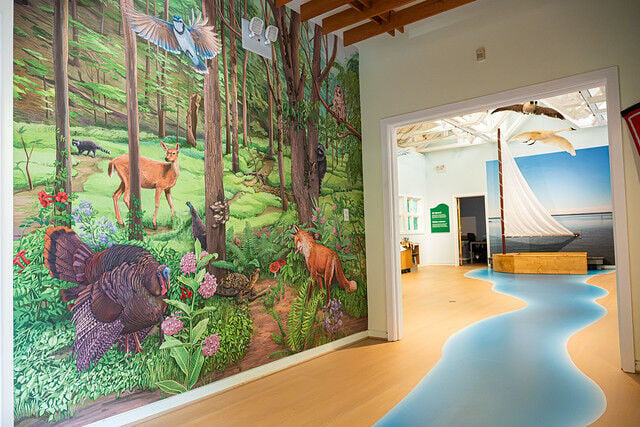
The new exhibits feature bright, colorful themes, a focus on sharing the park’s story through conservation and stewardship, and incorporating tactile and interactive elements for all ages and types of learners. These are also the first fully bilingual exhibits in Virginia State Parks.
In addition to the exhibits, renovations included new paint, flooring, an updated retail area and welcome desk, and custom murals.
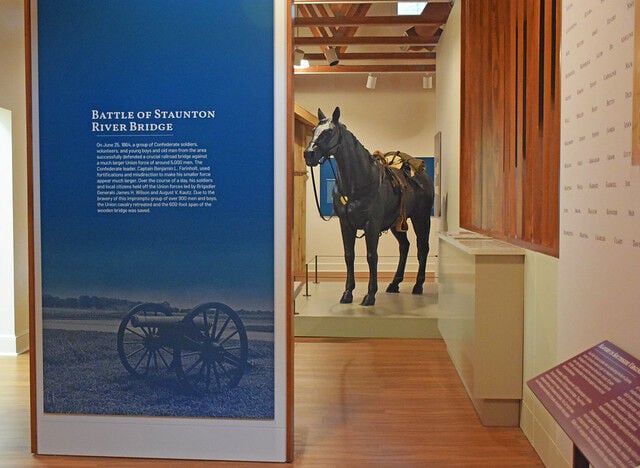
Staunton River Battlefield State Park
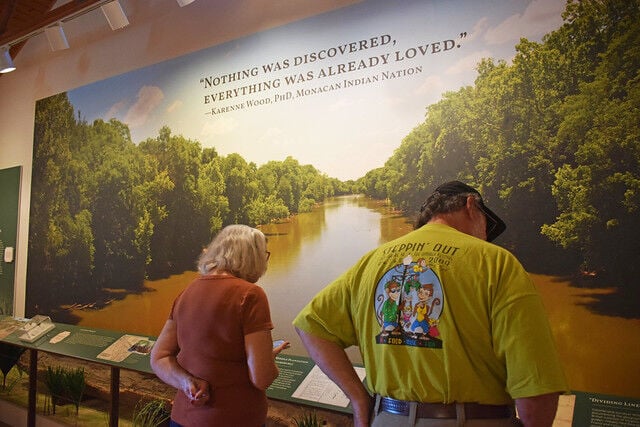
Much of the earlier exhibit material, produced by park staff, had been in place for about ten years. While Staunton River Battlefield State Park is associated primarily with the Civil War battle fought on this site, we wanted to broaden the narrative to include additional aspects of its history. The river served as a central link tying together themes such as Indigenous settlement, the lives of enslaved individuals and their families, the history of Judge Paul Carrington’s Mulberry Hill plantation, and the stories of the soldiers who protected the bridge.
A special thank you to Dante Desiderio of the Sappony of the High Plains Indian Settlement and Victoria Ferguson, of the Monacan Indian Nation, both who provide invaluable information and assistance with this project.
Staunton River State Park
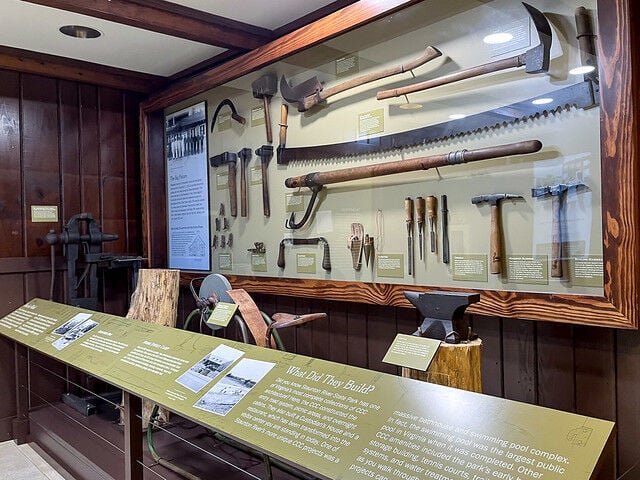
Staunton River State Park was recognized in 2007 as a National Historic Landmark and a Virginia Historic Landmark. Many structures in the park, including the cabins, visitor center and picnic shelters, are little changed from when they were built by the Civilian Conservation Corps in the early 1930s. Facilities are modern and well-maintained, but the park remains true to its roots. Its sturdy structures honor and memorialize CCC members who worked so hard to build them.
This building that the visitor center is housed in has supported Staunton River in multiple ways over the past 90 years. Now, it helps share the stories that define this park. Exhibits guide guests through three core topics: the wildlife and natural landscape that make this place unique, the significance of preserving dark skies, and the park’s historic roots as a CCC-built original Virginia state park and a meaningful site in the broader narrative of civil rights and public land access.
Plan your next visit
The exhibits are a great way to learn more about the park and can be a self-guided or ranger-led adventure depending on your preference and if a program is available. It’s highly recommended to stop by the visitor center on your visit to a Virginia State Park because it will truly elevate your park experience.
We encourage you to tell us about your park visit because your comments count. The survey doesn’t take long to complete, and your voice helps shape the park’s future planning.
Be sure to stop by each of the park’s visitor centers and new exhibits on your next visit. For a list of upcoming programs and events, visit the Virginia State Parks event page.


