


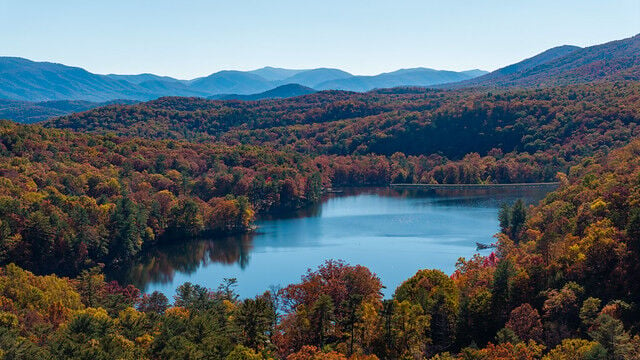
Fall is officially underway, and the leaves aren’t the only thing you’ll notice changing at Virginia State Parks. Cooler temperatures, shorter days and shifting food sources trigger seasonal behaviors in many animals, making autumn a great time of year for wildlife watching.
Whether you’re hiking, paddling or camping under the stars, here’s what you might see or hear during your fall visit.
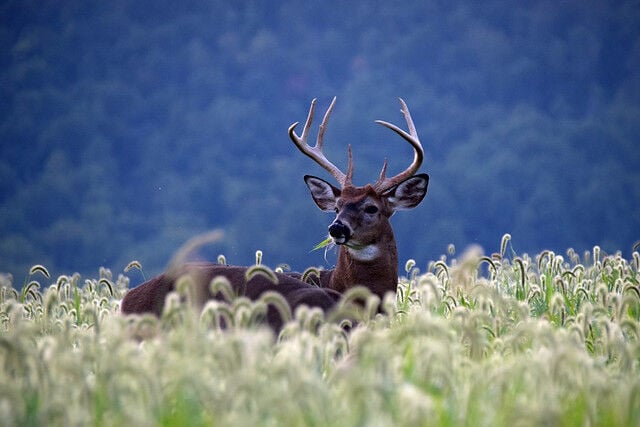
White-tailed deer: Peak activity at dusk and dawn
Fall is the rutting season, or annual mating period, for white-tailed deer across Virginia, meaning bucks are more active, visible and vocal.
Early mornings and evenings offer your best chance to spot them grazing in open meadows or slipping between trees. Parks like Pocahontas, Douthat and Sky Meadows often have reliable deer sightings.
People are also reading…
Migrating birds on the move
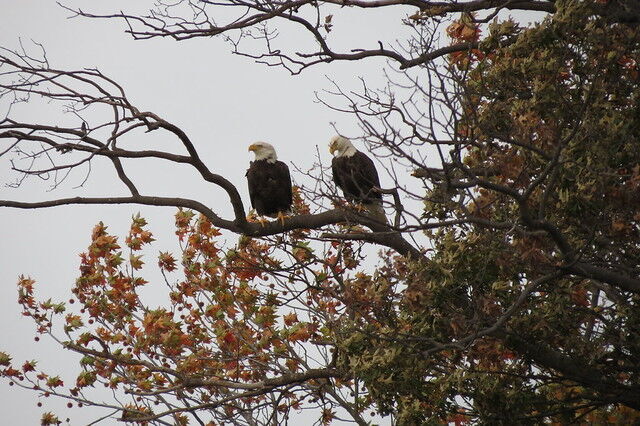
Virginia sits along the Atlantic Flyway, making the state parks perfect locations for fall birdwatching.
Hawks and eagles can be seen overhead during their migration, while songbirds like warblers, thrushes and sparrows move south.
Coastal parks such as First Landing and Kiptopeke are hotspots for raptors and shorebirds, while inland parks like Staunton River and Bear Creek Lake welcome flocks stopping to rest and refuel.
You’ll likely hear them before you see them: squirrels and chipmunks rustling through the leaves.
Fall means food collection season for them, and at nearly every park, you’ll see these small mammals racing to store acorns, pinecones and seeds for the colder months ahead.
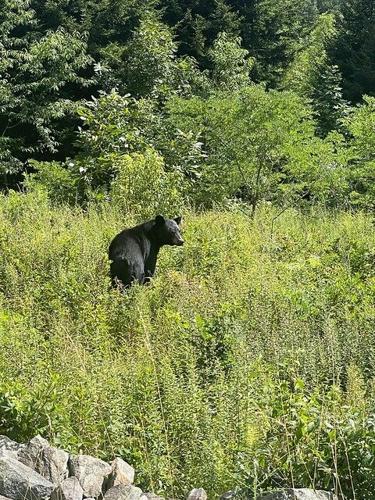
Black bears preparing for denning
Virginia’s black bears are especially active in the fall as they enter hyperphagia, a period of intense feeding to build up fat reserves for winter.
During autumn, you may catch glimpses of bears foraging for nuts and berries. Remember to observe at a safe distance and follow park guidelines for food storage.
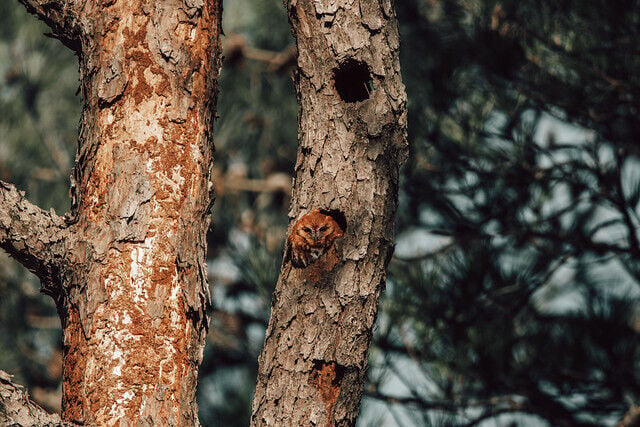
Owls becoming more vocal
Cooler nights bring an uptick in owl activity, especially as juveniles become independent and adults establish winter territories.
Barred owls, great horned owls and screech owls can often be heard calling after sunset throughout forested parks.
Butterflies and late-season pollinators
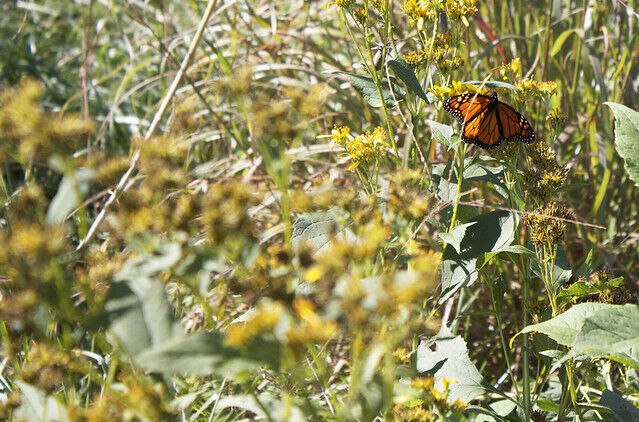
Not all insects disappear when fall arrives. Monarch butterflies migrate through Virginia from late September into October, and you’ll often see them fluttering around meadows and lakesides.
You may also spot asters and goldenrods buzzing with late-season bees and migrating butterflies.
Fall brings noticeable changes in wildlife activity across Virginia State Parks. With some patience, you can observe the seasonal patterns that make autumn a great time for nature viewing.
If you’re ready to start planning your fall wildlife viewing adventure, go to https://www.dcr.virginia.gov/state-parks/.


